One Pot, Four Bowls: The Weeknight Soup Base That Refuses to Get Boring
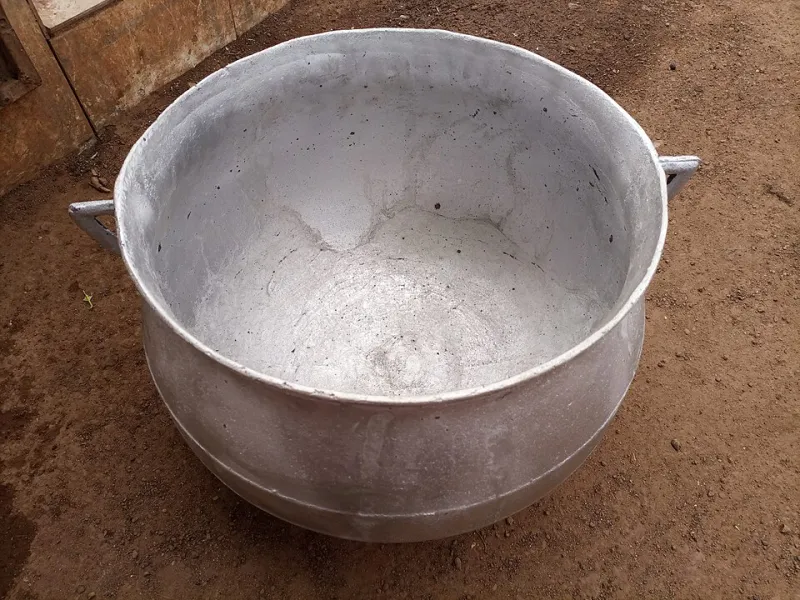
Photo: Dnshitobu, CC BY-SA 4.0, via Wikimedia Commons
By mid-November, the batch-cooking honeymoon is usually over. You made a big pot of something on Sunday, ate it twice, and now you're staring at the same container wondering if you can will yourself into liking it again. The problem isn't the pot. It's that most batch recipes are finished dishes, not flexible ingredients.
A soup base fixes that. You make one neutral, sturdy pot. Then you portion it and finish each bowl differently across the four cycles. Same effort, different dinners, no second job.
Start With a Base, Not a Finished Soup
The base should be pleasant but not pushy. You want something that tastes good on its own but won't argue with whatever you add later. Think of it as the background track, not the lead vocal.
A reliable starting point for a 6- to 8-quart pot: olive oil, one diced onion, a few carrots, a few celery ribs, garlic, a can of diced tomatoes, low-sodium broth, and a modest amount of dried herbs. Maybe a bay leaf. Maybe a parmesan rind if you have one in the freezer. Skip the heavy spices for now. Skip noodles. Skip anything that will turn to mush by Thursday.
Let it simmer until the vegetables are tender but still holding their shape. Taste it. It should be a little under-seasoned. That's intentional. You'll season at the bowl level, where you can actually taste what you're making.
This is also where the four-cycle mindset helps. In the 4Cycle Fat Loss framework, the cycles aren't four completely different diets. They're four different jobs: building the habit, adding structure, refining portions, and then living with the plan without white-knuckling it. The soup base doesn't need to change for each job. The finish does.
The Four-Cycle Portion Map
Cycle 1 is about making dinner happen without drama. Finish a bowl with shredded rotisserie chicken, a handful of baby spinach, and a squeeze of lemon. The base does the heavy lifting. The add-ins take four minutes. That's a habit anchor, not a cooking project.
Cycle 2 is where structure starts to matter. Add a scoop of white beans and a little cooked barley or farro. Top with a spoonful of pesto or a pinch of red pepper flakes. You're building a more complete bowl without turning the pot into a different recipe.
Cycle 3 is often where people get twitchy and start shrinking the bowl before they've checked the signals. Instead of reaching for a smaller ladle, adjust the finish. Go heavier on vegetables and lean protein, lighter on the starch, and add something acidic or crunchy so the bowl still feels alive. A smaller portion that tastes flat is a setup for the pantry raid later.
Cycle 4 is the long game. This is where flexibility matters more than precision. Maybe you add a slice of crusty bread. Maybe you use the base as a sauce over rice. Maybe you eat it standing up while packing lunches. The point is that the plan can absorb real life, not just the ideal week.
Build a Finishing Station, Not a Second Recipe
The magic isn't in the pot. It's in the row of containers next to it. Keep a few proteins, a few starches, and a few bright things ready to go. Rotisserie chicken, frozen shrimp, canned beans, cooked rice, bagged spinach, lemons, cilantro, scallions, pickled jalapeños, and a jar of good salsa will cover a lot of ground.
Here's a week that doesn't repeat itself: Monday, chicken and spinach with lemon. Tuesday, white beans and barley with pesto. Wednesday, ground turkey cooked with taco seasoning, plus corn and cilantro. Thursday, shrimp and rice with lime. Friday, a poached egg and scallions, maybe a splash of soy sauce and sesame oil. Each bowl starts from the same base and takes five to eight minutes to finish.
That's not a calorie spreadsheet. It's a rhythm. You're not calculating every bite. You're using the cycles to decide what kind of bowl you need today.
The Wednesday Test
The real test of a batch-cooking plan is Wednesday. That's when the novelty is gone, the week is loud, and the pot is still in the fridge. If Wednesday dinner feels like a punishment, the plan is too rigid.
The fix is to keep the base plain and finish it boldly. Acid, crunch, heat, freshness. A squeeze of lime. A handful of chopped herbs. A spoonful of something spicy. Those small moves cost almost no time and make the same base taste like a different meal.
Also, freeze half the base on Sunday. Not because you're being virtuous, but because you're being realistic. A pot that lasts forever becomes a chore. A pot that runs out on Thursday and gets replaced by something else on Friday is a system that works.
A Grocery List That Does Double Duty
You don't need a specialty store run. A regular US supermarket can cover this. Grab onions, carrots, celery, garlic, broth, canned tomatoes, a rotisserie chicken, frozen shrimp, canned beans, a bag of spinach, lemons, rice, barley, tortillas, and a couple of sauces you actually like. That's a week of dinners with very little waste.
Sunday prep is simple: make the base, cook a batch of rice or barley, shred the chicken, and portion the base into quart containers. Keep the toppings separate. Don't add noodles or rice to the pot unless you want soup-shaped porridge by Tuesday.
What This Isn't
This isn't a claim that one pot will solve your week. It's a way to stop the same leftovers from becoming a reason to order takeout. The pot is the planner. The finishing station is the decision. And the four cycles give you a way to change the bowl without changing the whole plan.
Cold weather doesn't have to mean boring batch cooking. It can mean one good base, four different finishes, and a Wednesday that doesn't feel like a rerun.