When Sunset Beats Your Gym Bag: Keeping Cycle 1 Alive Through Dark November
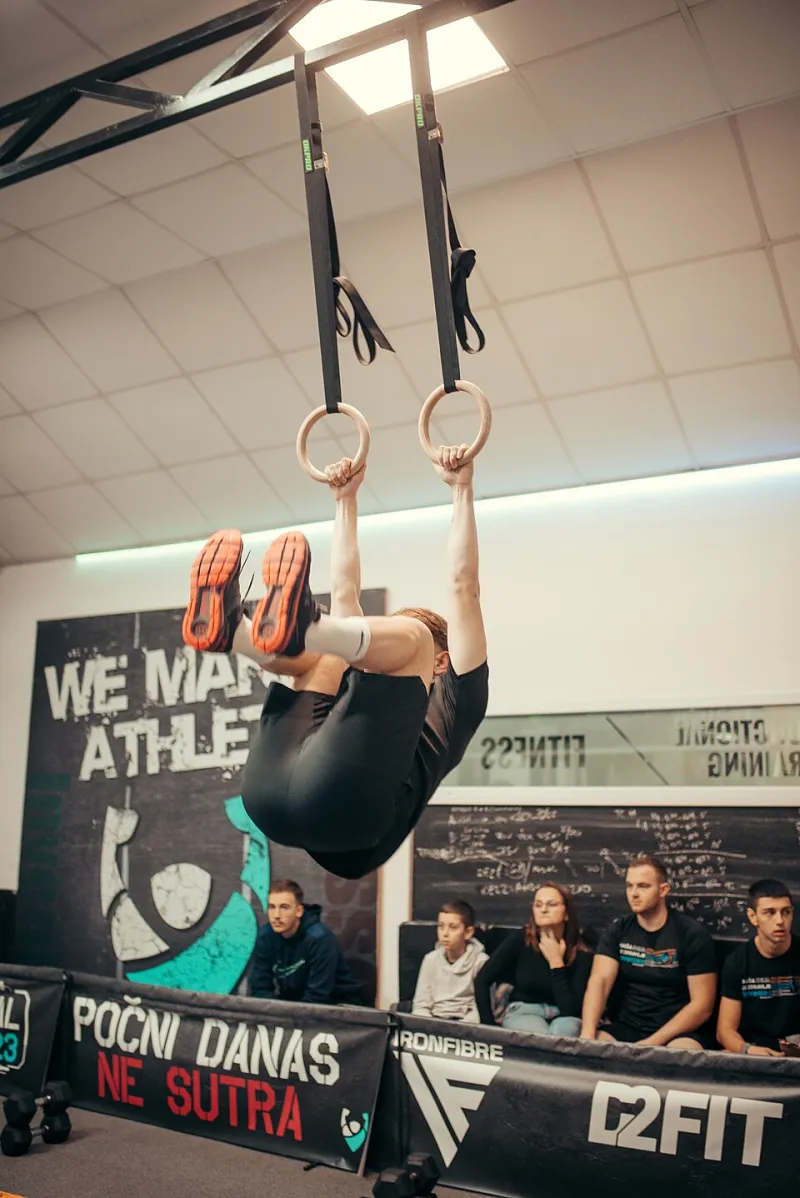
Photo: Shixart1985, CC BY 2.0, via Wikimedia Commons
Daylight saving time ended on November 1, 2026, and in much of the US the after-work workout now starts in pitch darkness. The gym bag is still by the door. The plan is still in your head. But the light that made a 6 p.m. session feel natural is gone, and suddenly the couch has a stronger argument than it did in September.
This is not a motivation problem. It is a scheduling problem. And for a four-cycle fat-loss plan, it is worth solving early, because Cycle 1 workouts are the part of the program that keep everything else from drifting.
The After-Work Slot Is Fighting the Season
Most people build their first training routine around the easiest available slot: after work, before dinner. In summer, that slot is bright and forgiving. In November, it is dark, cold, and crowded with errands and traffic. By the time you get home, the decision to train has already been made for you by fatigue.
Cycle 1 is where the training rhythm gets established, so losing that slot can feel like losing the whole plan. Cycle 2 is where habits get installed, and habit phases do not run well on leftover energy. The fix is not to demand more discipline from a dark Tuesday. The fix is to move the session before the day drains it.
Move Cycle 1 Before the Light Leaves
If your Cycle 1 workouts have been living at 6 p.m., try shifting them to the morning for two weeks. It will feel clumsy at first. That is normal. A 6:30 a.m. session in November is not supposed to feel like a summer evening run. It is supposed to be short, repeatable, and done before the rest of the day starts negotiating.
For people who genuinely cannot do mornings, use lunch. A 25-minute walk plus a short strength circuit counts. So does a split session: 15 minutes of bodyweight work at lunch and a 10-minute walk after dinner. The goal in Cycle 1 is not a perfect training block. It is keeping the training signal alive.
A few practical moves help. Put the gym bag in the car the night before. Set out shoes where you will trip over them. Treat 4 p.m. as the new 6 p.m. if you must train after work, and make the session shorter than you think it should be. A 20-minute session you actually do beats a 60-minute session you keep postponing.
Keep Cycle 2 Anchors Visible After Dark
Cycle 2 is not just about food. It is about the cues that make the food choice easier. In darker months, those cues need to be more obvious, not more elegant.
Anchor protein at breakfast to the coffee maker. Put the water bottle next to the laptop. Set out the lunch container before you go to bed. Use the commute home as a cue for a five-minute prep task: chop vegetables, portion yogurt, or start a pot of lentils. These are small habits, but they are the kind that keep Cycle 2 from becoming a vague intention.
Light matters too. Turn on the bright kitchen lights when you get home. Open the blinds in the morning. A dark house makes an early dinner and an early bedtime feel more reasonable than a workout, and sometimes that is exactly what you need. But do not let the darkness make every decision for you.
Protect Sleep Like It Is Part of the Program
When training moves earlier, sleep has to move with it. Do not solve the dark-evening problem by stealing an hour from sleep and calling it discipline.
Keep your wake time consistent, even on weekends. Get outside for ten minutes of morning light if you can. If you train in the evening, keep intense sessions early enough that they do not push bedtime back. And if you are hungry after a dark-weather workout, eat. Underfueling is not a seasonal strategy.
Sleep is not separate from the four cycles. It is the platform the cycles stand on. A shorter day is a reason to protect bedtime, not a reason to extend it with doomscrolling and a second snack.
Build a Bad-Weather Backup Slot
Every November plan needs a Plan B that does not require a commute. Keep a resistance band, a pair of dumbbells, or a step in the room where you usually watch TV. Write down a 12-minute circuit and leave it where you can see it. Know the backup: stairs, bodyweight squats, push-ups, rows with a band, a brisk walk in a rain shell.
The backup slot is not a lesser workout. It is the reason the workout happens. In Cycle 1, consistency is the adaptation. In Cycle 2, repetition is the habit. A short backup session protects both.
Make It a Season, Not a Pause
The stretch from November to February is not the time to chase a personal record in the dark. It is the time to keep the minimum. Two Cycle 1 sessions and three Cycle 2 anchors per week is a real plan. So is one strength session, two walks, and a protein-first breakfast on most days.
Review the week on Sunday. Ask what actually happened, not what should have happened. If the evening slot failed three times, move it. If morning sessions are working, protect them. Shorter days are a seasonal condition, not a verdict on your discipline.
The sun will come back. Until then, let the plan get smaller, earlier, and more visible. That is how Cycle 1 survives the dark.