Your Tracker Is Guessing: A Four-Cycle Guide to Wearable Data That Actually Helps
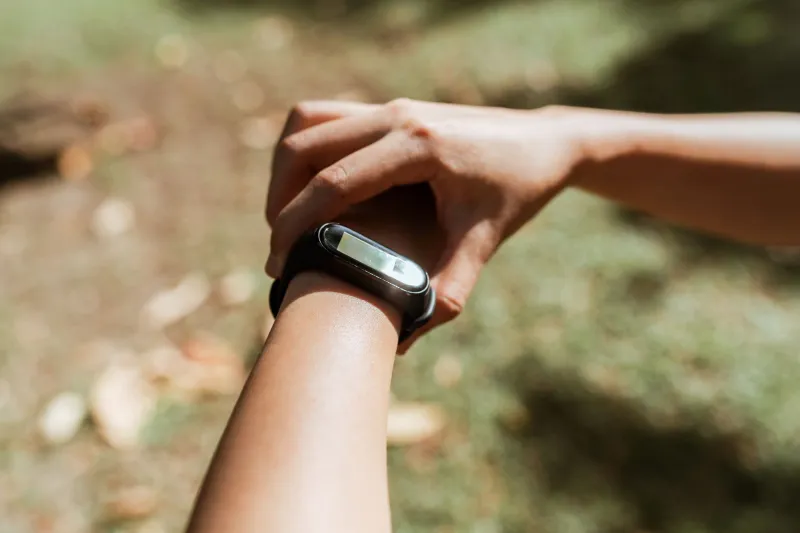
The Wrist Is Confident. That Doesn’t Mean It’s Right.
Wearables have a way of sounding authoritative. Your watch buzzes, flashes a number, and suddenly you’re negotiating with a device about whether you “earned” lunch. But a tracker is not a coach. It’s a sensor package with a marketing team. It can count steps, estimate heart rate, and notice that you slept badly. What it cannot do is understand that you’re in Cycle 2 of a four-cycle fat-loss plan, that your goal this week is consistency rather than intensity, or that your soreness is from moving furniture, not from a heroic workout.
That distinction matters more than most people think. In a four-cycle plan, each phase asks something different of you. Cycle 1 is about building a movement baseline. Cycle 2 is the habit phase, where repetition beats heroics. Cycle 3 turns up the demand and asks you to respect recovery. Cycle 4 is about maintaining what you built when the goal stops being a countdown. A wearable can support all of that, but only if you stop treating its estimates like lab results.
Cycle 1: The Calorie-Burn Estimate Is Not a Receipt
Cycle 1 is where a lot of people fall in love with the “calories burned” number. It’s gratifying. You walk the dog, run errands, maybe do a short workout, and the watch hands you a tidy figure. The problem is that these estimates are rough. They’re based on heart rate, movement, body size, and algorithms that don’t know your actual muscle mass, your efficiency, or how much of that walk was standing still at a crosswalk.
Use Cycle 1 wearable data for direction, not accounting. A step count is useful because it reflects whether you moved more than usual. Active minutes are useful because they show patterns. The calorie number is best treated as a vibe, not a budget line. If you start “eating back” every estimated calorie, you’re building a plan on a guess. Instead, use the tracker to reinforce the habit: did you hit your movement target most days this week? That’s the signal.
Cycle 2: Consistency Is the Metric That Matters
Cycle 2 is the habit phase, and this is where wearables can either help or quietly sabotage you. The helpful version is simple: streaks, reminders, step totals, and weekly summaries that show whether you’re repeating the behaviors you chose. The unhelpful version is chasing a higher calorie burn every day because the device makes it look like a score.
During Cycle 2, set your tracker to support repetition, not escalation. If your plan is a 20-minute walk after dinner, the win is that you did it four times this week, not that your watch says you torched 312 calories one night and 287 the next. Those differences are noise. The habit is the signal. A good rule: if a wearable metric doesn’t change what you do tomorrow, it’s probably entertainment.
Cycle 3: Recovery Scores Are Clues, Not Verdicts
Cycle 3 is where the wearable conversation gets more complicated. This is the phase where recovery matters, and devices love to throw around readiness scores, HRV numbers, and sleep grades. Those metrics can be useful, but they’re also easy to misread. A low readiness score might mean you’re under-recovered. It might also mean you had a glass of wine, slept in a warm room, or wore the watch a little loose.
Use Cycle 3 data to ask better questions. If your resting heart rate is trending up for several days and your sleep has been short, that’s a pattern worth respecting. If one morning’s readiness score is low but you feel fine and your plan calls for an easy session, don’t cancel your life over a colored ring. The tracker is a smoke detector, not a fire chief. It can tell you something might be worth noticing. It can’t tell you what to do about it.
Cycle 4: Watch the Trend Line, Not the Daily Drama
Cycle 4 is maintenance, and maintenance is where wearables actually shine, as long as you zoom out. Daily numbers are chaotic. Weekly and monthly trends are more honest. Are your average daily steps holding steady? Is your sleep duration drifting downward? Are you still getting a couple of strength sessions in most weeks? Those are the questions that matter when the goal is keeping the result.
In Cycle 4, resist the urge to micromanage. A single high-calorie-burn day does not mean you “earned” a blowout dinner. A single low-step day does not mean the plan is broken. The useful habit is a weekly check-in: look at the trend, pick one adjustment, and move on. That’s how wearable data becomes a supporting tool instead of a tiny, judgmental boss on your wrist.
What to Trust, What to Ignore
Trust step counts, movement consistency, sleep duration trends, and resting heart rate patterns over time. Ignore precise calorie-burn claims, one-day readiness scores, and any metric that makes you feel like you’re failing because you didn’t hit an arbitrary badge. Wearables are best at showing you what you did. They’re worst at telling you what it means.
Your four-cycle plan already gives you the meaning. The watch just helps you notice the pattern. Keep it in that lane, and it becomes a genuinely useful habit tool. Let it run the show, and you’ll spend more time managing a gadget than building the life you actually want.