The Other Half of Full: Building a Fiber Habit Across All Four Cycles

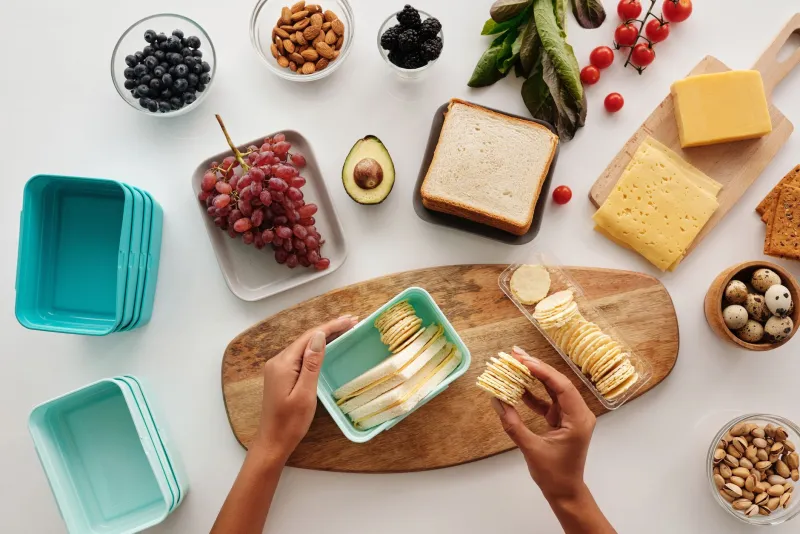
Photo: fiber rich foods beans oats berries edamame on kitchen counter overhead, via gymnation.com
Protein has a great publicist. Fiber has a library card and a reusable grocery bag. That’s not a knock on protein—it matters—but if you’ve been eating plenty of chicken, Greek yogurt, and eggs and still feel like you’re white-knuckling it between meals, fiber may be the lever you haven’t pulled yet.
At 4Cycle Fat Loss, we talk a lot about rhythm: four cycles, real habits, lasting fat loss. Fiber fits that idea almost too well. It isn’t dramatic. It doesn’t require a shaker bottle or a new app. It’s the habit that quietly makes meals more satisfying, keeps your digestive system in a better mood, and gives your four-cycle plan a little more staying power.
Why Fiber Keeps Getting Buried Under Protein
Most US adults don’t get nearly enough fiber. The general ballpark is often listed as 25 to 38 grams a day, depending on age and sex, but most of us aren’t hitting it. Meanwhile, protein gets the spotlight because it’s easy to sell: bars, powders, shakes, and front-of-package promises.
Fiber is less flashy. It’s in beans, oats, berries, potatoes with the skin on, popcorn, whole-grain tortillas, and the bag of frozen edamame that’s been sitting in your freezer since February. It adds volume, slows the pace of a meal, and helps you feel full without requiring you to count every bite. That’s not a magic trick. It’s just a quieter way to support the same goal.
The catch is that fiber only works as a habit if you build it in a way that fits your actual life. A pile of raw broccoli on Sunday doesn’t help if you’re grabbing a gas-station sandwich on Wednesday. So let’s walk it through the four cycles.
The Four Cycles, Briefly
Cycle 1 is the on-ramp: you’re building a repeatable week, not a perfect one. Cycle 2 is the habit phase: same meals, fewer decisions, less negotiating with yourself. Cycle 3 is the refinement phase: you’re adjusting portions and timing without turning dinner into a debate. Cycle 4 is the transition phase: the plan has to survive real life, including weekends, travel, and the office birthday cake.
Fiber looks a little different in each one.
Cycle 1: Add One Anchor, Not a Whole New Diet
The worst way to start a fiber habit is to overhaul every meal on a Monday and then wonder why your stomach is staging a protest by Wednesday. In Cycle 1, pick one fiber anchor per day. Just one.
That could be oatmeal at breakfast. A can of black beans rinsed and added to lunch. A handful of baby carrots with hummus. An apple on the drive home. Frozen edamame microwaved with salt. A bowl of cereal that actually has some fiber in it—check the label, but don’t make a hobby out of it.
The goal in Cycle 1 isn’t to hit a number. It’s to prove to yourself that adding fiber is easy enough to repeat. Add before you subtract. You’re not removing foods yet; you’re making the plate a little more filling.
Cycle 2: Make It Portable and Boring
Cycle 2 is where habits get tested by real schedules. Fiber travels poorly when it’s a delicate salad in a glass container. It travels beautifully when it’s shelf-stable and low-effort.
Keep a work drawer or bag with single-serve oatmeal, roasted chickpeas, whole-grain crackers, dried fruit, and a couple of apples. Keep frozen berries and edamame in the freezer for the nights when dinner needs a vegetable and you have zero ambition. Buy canned beans and lentils by the stack—they’re cheap, fast, and they don’t care if you’re tired.
A practical Cycle 2 rule: if a fiber food takes more than two minutes to prepare, it’s probably not going to survive a busy Tuesday. That’s fine. Choose the two-minute version. Canned beans rinsed in a colander count. Frozen vegetables microwaved count. A package of whole-grain tortillas counts if you actually use them.
Cycle 3: Adjust Texture Before You Adjust Willpower
Cycle 3 is where people often get frustrated. They’ve added fiber, but they feel bloated, gassy, or generally annoyed. The answer is usually not “try harder.” It’s “change the texture and slow down.”
Raw vegetables are harder on some digestive systems than cooked ones. Canned beans are easier when you rinse them well. Split red lentils cook down faster than whole lentils. Oats are gentler than a bowl of bran cereal for plenty of people. If salads leave you feeling like a balloon, try cooked vegetables, soups, or roasted squash instead.
Hydration matters here too. Fiber pulls water into the digestive tract, so increasing fiber without increasing fluids is a classic own-goal. Keep a water bottle around and drink with meals. This isn’t about chugging a gallon; it’s about not running dry.
And if you have a diagnosed digestive condition, or if fiber changes come with pain, severe constipation, diarrhea, or blood, talk to a clinician or registered dietitian. This is general habit advice, not a personal medical plan.
Cycle 4: Keep Two Anchors When the Plan Loosens
Cycle 4 is the real-life phase. You’re not eating the same five meals every week forever. You’re at a restaurant, a tailgate, a holiday dinner, or a hotel breakfast that looks like a carbohydrate crime scene.
In Cycle 4, keep two fiber anchors. Two is enough. Maybe breakfast is still oatmeal or a piece of fruit. Maybe lunch includes beans or a whole-grain tortilla. Maybe you order the side of black beans instead of the fries—not because fries are forbidden, but because beans are a two-for-one: filling and easy.
At restaurants, look for beans, lentils, corn tortillas, whole-grain bread, fruit, and vegetable sides. At travel breakfasts, grab an apple and a packet of oatmeal. At cookouts, bring a bean salad or a platter of veggies. You’re not trying to be the fiber police. You’re trying to keep the habit from disappearing entirely when the schedule gets weird.
Track the Habit, Not the Math Test
You do not need to log every gram of fiber. That’s a fast way to make dinner feel like homework. Instead, track whether you added a fiber anchor to two meals. Put a dot on the calendar. Move a paper clip from one side of a jar to the other. Use a note on your phone. Keep it simple enough that you’ll actually do it.
If you like data, fine—track “fiber days” instead of grams. A fiber day is a day when you added fiber to at least two meals. That’s it. Consistency beats precision here, just like it does across the four cycles.
The Quiet Habit Wins
Fiber isn’t sexy. It doesn’t come with a shaker bottle or a influencer discount code. But it’s one of the most reliable ways to make a fat-loss plan feel less like restriction and more like meals that actually hold you. Start with one anchor. Make it portable. Adjust the texture if your gut complains. Keep two anchors when life gets loud. That’s the whole play—quiet, repeatable, and built for all four cycles.