Thirst Is a Rumor: Building a Four-Cycle Hydration Rhythm That Actually Fits Your Day
Photo: Presbyterian Hospital of the City of Chicago, No restrictions, via Wikimedia Commons
Somewhere along the way, hydration got turned into a personality trait. Big jug, time markers on the side, a heroic amount of ice, a finish-line photo at 5 p.m. It photographs well. It also ignores basically everything about how your body actually uses water.
Water needs are not a fixed number you can print on plastic. They shift with how much you sweat, how much protein and fiber you're eating, how salty dinner was, how warm the room is, and where you sit in a four-cycle plan. Treating it like a static challenge is why so many people swing between never drinking enough and spending the whole afternoon in the bathroom.
So let's build something quieter and more durable: a set of drinking anchors that ride along with each cycle instead of fighting it.
Thirst Arrives Late to the Meeting
Thirst is a lagging signal. By the time your brain taps you on the shoulder, you're usually already down a percent or two of body water. That's enough to make a workout feel harder, a walk feel longer, and a mild afternoon slump feel like a crisis.
The lag gets worse in specific conditions. Cold weather kills thirst — nobody stands in a 40-degree parking lot craving ice water. Busy days bury the signal under meetings and errands. Age dulls it further. And because the same part of the brain handles hunger and thirst, a lot of snack cravings are just a dry mouth wearing a costume.
None of that means you should start chugging. It means you should stop relying on a feeling that shows up late.
Why This Is a Cycle Problem, Not a Gallon Problem
Four cycles do different things to your body, and each one changes your water math.
- Higher training volume means more sweat and more turnover.
- Higher protein intake — which most fat-loss phases involve — requires more water for processing.
- Higher fiber — which most sane nutrition plans also involve — needs water to do its job comfortably instead of the opposite.
- Higher sodium from restaurant food or a salty weekend pulls water in different directions and can show up on the scale as noise.
- Alcohol in Cycle 4 social situations adds another variable entirely.
A flat gallon target steamrolls all of that. Anchors handle it.
Cycle 1: Build the Anchor, Not the Number
Cycle 1 is about establishing the pattern, and the pattern should be tied to things you already do. Pick three moments:
- On waking. One full glass before coffee, before your phone, before anything. This is the single easiest anchor in the entire plan because you're already in the kitchen.
- Bottle on the desk, filled once. Not three refills. One bottle, filled in the morning, empty by the time you leave work.
- With every meal. A glass at the table. Not a rule you announce, just a glass that's there.
That's it. If you hit those three consistently for two weeks, you've built more hydration than most people manage in a month of jug photos.
Cycle 2: Water Becomes a Satiety Tool
Once the habit is stable, Cycle 2 is where you can start using water strategically instead of just remembering it. Twelve to sixteen ounces about twenty to thirty minutes before a meal takes the edge off appetite without filling you so much that you push food around the plate.
This is also the cycle where fiber really ramps up, and fiber without water is a bad trade. If you're adding vegetables, beans, and whole grains, add the water alongside them or you'll spend a week wondering why you feel like a cement mixer.
One practical note: if you're eating more protein and find yourself bloated, try drinking between meals rather than in gulps during them.
Cycle 3: Training Volume and Sodium Change the Math
Cycle 3 tends to be the tighter phase — more training, more structure, and often more sweating. This is when a pinch of salt in your water or an electrolyte tab on long or hot sessions actually earns its keep, especially if you're a heavy sweater or you train in a warm garage gym.
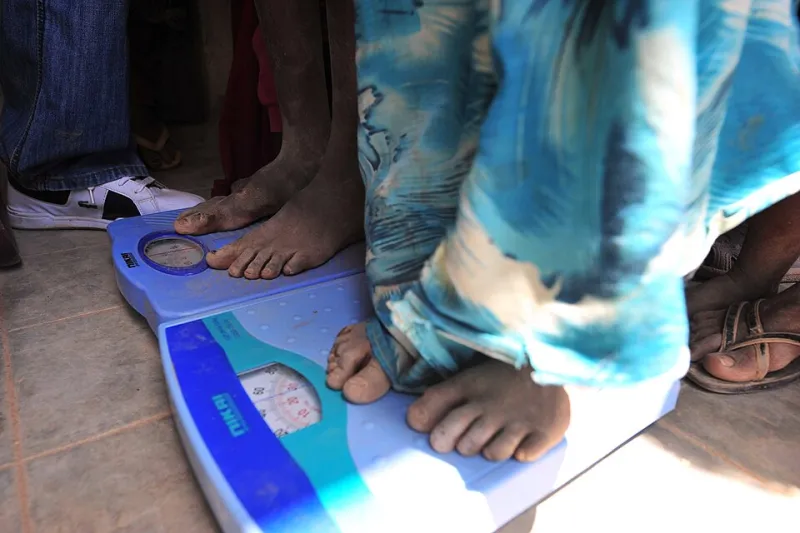
If you want a real number instead of a guess, weigh yourself naked before and after a typical workout, then account for what you drank. A pound lost is roughly sixteen ounces of fluid. Most people are surprised by how wide their own range is between a cool morning lift and a humid afternoon run.
The scale will also lie to you after a salty meal. That's water, not fat. Don't respond to it by drinking less — respond by drinking normally and letting it pass.
Cycle 4: Maintenance and the Sodium Roller Coaster
Cycle 4 is the flexible phase, which means restaurant meals, travel, and a drink or two. All of those raise your fluid needs, and none of them are emergencies.
The move here is front-loading. Drink steadily through the morning and early afternoon, then taper after about 7 p.m. so you're not waking up twice a night. If you know dinner out is coming, being well hydrated earlier makes the salty entree less of a shock to your system the next morning.
The Bathroom Problem, Addressed Directly
The reason people quit hydration habits isn't motivation. It's logistics. Two fixes:
- Front-load. Most of your water before 4 p.m.
- Taper. Smaller sips in the evening.
If you're still up twice a night, shift your last big glass earlier rather than cutting total intake. And check the color of your urine once or twice a day — pale straw is the target, apple juice means catch up, clear as tap water all day means you can ease off.
Three Anchors, One Bottle, No Ceremony
Morning glass. Bottle on the desk. Glass with meals. Add a post-workout bottle on training days. That's a hydration plan that survives a real week — no markers, no gallon, no finish-line photo. It also quietly supports everything else in the four cycles, because a body that's adequately watered trains better, eats more vegetables, and mistakes fewer cravings for hunger.
Thirst will still show up eventually. You just won't be waiting on it.